Where to Find Trip Brochures for Your Next Getaway
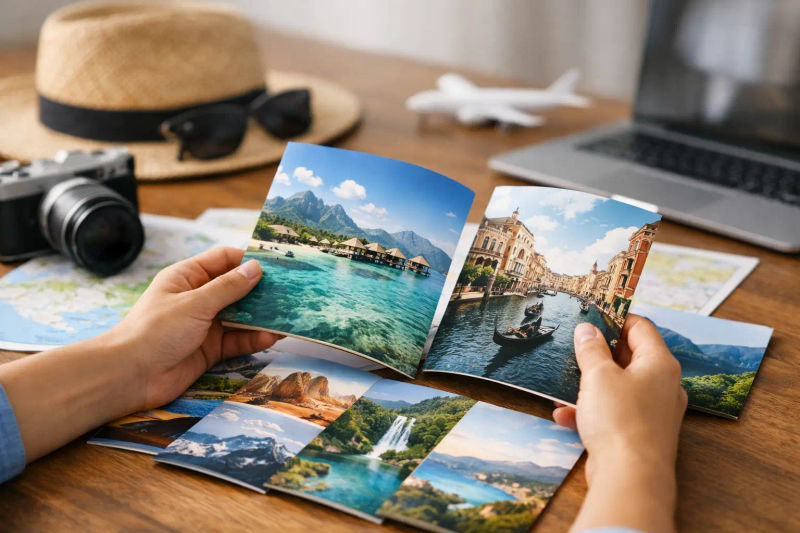
A great trip often starts with a map spread across the kitchen table, a marked-up calendar, and a few ideas you did not expect to love. If you are wondering where to find trip brochures, start with the people and places that know a destination best: its visitor bureau, tourism office, local attractions, and travel-planning platforms. A free guide can turn a vague “we should get away” into a weekend of scenic drives, family attractions, great meals, and a hotel in the right part of town.
Brochures are more than colorful paper. The best ones offer a local shortcut, helping you spot annual festivals, lakefront trails, historic districts, museums, winery routes, and neighborhoods that might not show up in a quick search. They are especially useful when you are planning a multi-stop road trip or comparing several destinations across the Midwest, South, or East Coast.
Where to Find Trip Brochures Before You Leave
The easiest place to begin is the official visitor bureau or destination marketing organization for the city, county, or region you want to visit. Most offer free print visitor guides by mail, along with digital editions you can browse right away. Search for the destination name plus “visitor guide” or “travel guide,” then look for an official request form. You may be asked for your mailing address and travel dates so the destination can send the most relevant materials.
Official guides tend to be the most practical choice because they combine lodging, attractions, dining, events, maps, and seasonal ideas in one place. A guide for the Smoky Mountains may point you toward trailheads and family cabins, while a guide for a Pennsylvania town may highlight covered bridges, theater weekends, or a fall foliage route. The details are often organized by area, which makes it easier to decide where to stay.
GuestQuest is another convenient starting point when you are still deciding where to go. Rather than requesting guides one destination at a time, travelers can explore regions, accommodations, things to do, and visitor information as they narrow down their next vacation. That is useful for families choosing between a beach escape, a mountain weekend, a city break, or a small-town road trip.
Request More Than One Guide
If your trip crosses state lines or includes several overnight stops, request guides for each region rather than relying on one statewide brochure. A Tennessee guide may inspire a music-and-mountains itinerary, but a local guide for the specific community you will visit can reveal nearby events, parking advice, independent shops, and smaller attractions.
There is one trade-off: printed guides can take a week or two to arrive, and some destinations have moved primarily to digital versions. Request them early, ideally before you have booked every detail. A guide is most helpful when it can still influence your route, lodging area, or length of stay.
Where to Find Trip Brochures Once You Are Traveling
Already on the road? You have plenty of options. Visitor centers are the classic stop, and for good reason. Highway welcome centers, downtown tourism offices, airport information desks, and regional visitor centers usually carry free brochures for nearby attractions and neighboring communities. Many also have staff who can tell you what is open, what requires reservations, and which route is worth the extra 20 minutes.
This is particularly valuable in places where the experience changes by season. A visitor center in Michigan might steer you toward a summer beach, a fall color drive, or a winter trail depending on the week you arrive. In coastal areas of the Carolinas, Florida, Georgia, or New Jersey, staff can help travelers find public beach access, ferry schedules, local markets, and rainy-day options.
Hotels, vacation rentals, campgrounds, and attractions also keep brochure racks in lobbies. Do not overlook them just because they look familiar. A brochure at a hotel near an Ohio attraction may feature a discount, a timed event, or a nearby experience that fits an open afternoon. Campgrounds can be especially helpful for finding boat rentals, scenic byways, state parks, and casual restaurants that welcome families in travel clothes.
Choose Guides That Match Your Trip Style
Not every brochure deserves space in your glove box. The most useful ones answer the questions that affect your actual plans: where to stay, what to do, how long it takes to get there, what it costs, and whether you need to reserve ahead. A beautiful cover is a nice bonus, but a clear map and current hours are usually more valuable.
For a family trip, prioritize guides with age-specific attractions, indoor backups, playgrounds, animal encounters, water activities, and easy dining. For a couples getaway, look for regional wine trails, spa options, live music calendars, scenic drives, and walkable downtowns. Retirees and relaxed road trippers may appreciate heritage sites, gardens, accessible trails, antiques, and guided tours.
If you are building a weekend around an event, check the date carefully. Printed brochures are often produced well before the season begins, so an event listing may be outdated by the time you pick it up. Use the brochure for inspiration, then confirm dates, hours, ticket requirements, and weather policies before making the drive.
Keep a Small Planning System
A brochure works best when it is part of your planning, not a stack of paper you mean to read later. Mark the attractions that fit your interests, circle areas that could work for lodging, and make a short list of “only here” experiences. Then compare those ideas with driving times and your group’s energy level.
For example, a family can easily overfill a three-day getaway by choosing every museum, amusement park, and outdoor adventure in the guide. Leave room for the unplanned stop: the ice cream shop near the trail, the local festival you notice on a poster, or the riverfront where everyone wants to linger. The goal is not to complete the brochure. It is to create a trip that feels like a real break.
Do Digital Trip Brochures Count? Absolutely.
Digital visitor guides are ideal when you are planning close to departure or do not want extra paper. They are easy to save on your phone, search by keyword, and share with the people traveling with you. If you are looking for pet-friendly lodging, accessible attractions, hiking, or waterfront dining, a digital guide can help you find relevant sections quickly.
Still, there is a reason print guides remain popular. Paper maps make it easier to see how destinations connect, especially in rural areas where cell service can be unreliable. A printed guide is also refreshingly simple for road trips: no battery, no signal, no need to hand your phone around the car. Many travelers use both, keeping a digital guide for quick updates and a print guide for browsing.
Make Brochures Work Harder for Your Vacation
The smartest travelers use brochures to uncover what a destination wants visitors to experience, then make choices based on their own pace and priorities. That might mean skipping a major attraction for a quieter lakeside town, booking an extra night after seeing how much there is to do, or choosing a different season once you notice a festival worth planning around.
Before tossing a brochure in your bag, look for practical details such as area maps, visitor-center addresses, public transportation notes, coupons, accessibility information, and local event calendars. These small details can save time and make a trip feel less scripted.
Your next favorite place may be on a page you almost skipped. Request a guide, pick up one when you arrive, and give yourself permission to follow the local recommendations that make a getaway feel personal.