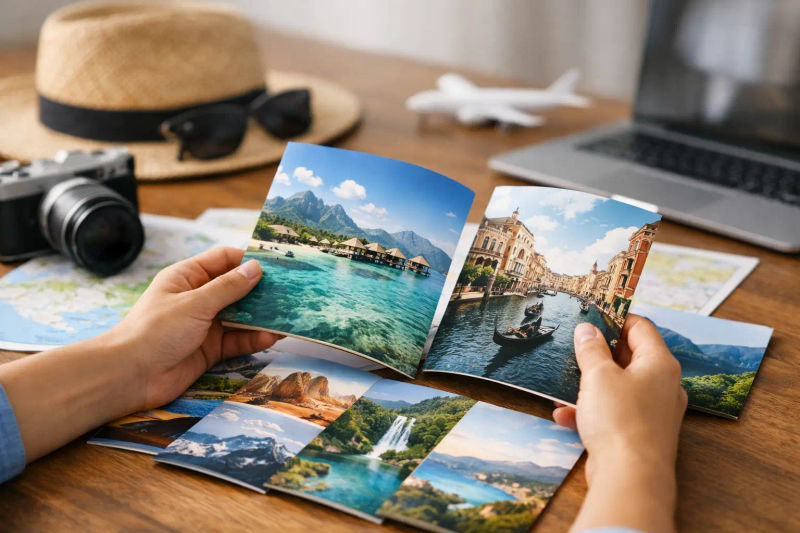
Visitor Guides That Make Every Trip Better
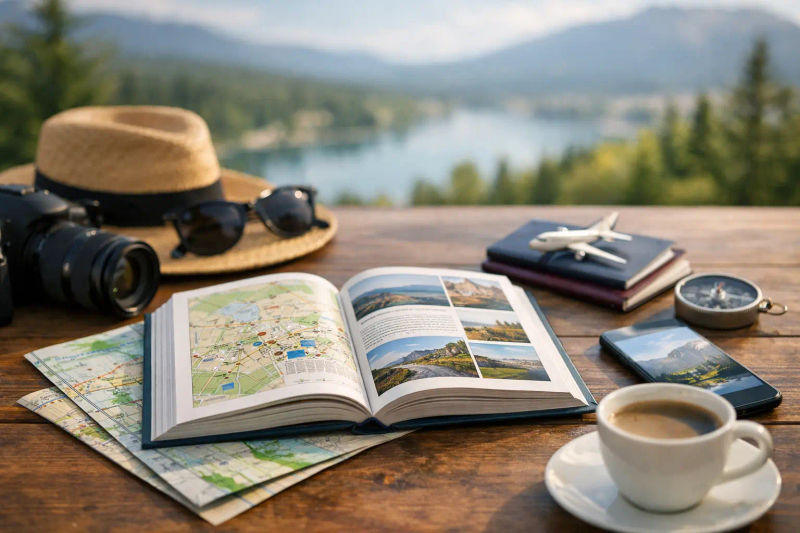
A great trip rarely begins with a packed suitcase. It starts with one exciting question: where could we go next? Visitor guides help turn that spark into a real plan, whether you are chasing a lakefront weekend in Michigan, a family adventure in Tennessee, a beach escape in the Carolinas, or a food-filled city break in Pennsylvania.
The best part is that a good guide does more than point out the famous sights. It introduces the character of a place: the scenic drive worth taking, the annual festival locals anticipate, the neighborhood bakery that makes an early morning stop feel special, and the attraction that gives everyone in your group something to talk about on the ride home.
Why Visitor Guides Still Belong in Your Trip Planning
Search results are fast, but they can be scattered. One tab has a hotel, another has a restaurant review, and a third has an event that may or may not still be happening. A visitor guide brings a destination into focus. It gives travelers a clearer sense of what is nearby, what is seasonal, and what kinds of experiences make the area worth the drive.
For travelers in the inspiration stage, that context is often the deciding factor. A town with a charming downtown may sound appealing, but a guide can reveal that it also has a rail trail, a Saturday farmers market, a historic theater, and cabins near the water. Suddenly, it is not just a dot on the map. It is a possible long weekend.
Visitor guides are also useful when travel styles differ. One person may want museums and local history. Another may be looking for hiking, live music, or a poolside afternoon. Families may need kid-friendly attractions, easy dining, and lodging with enough room to spread out. A well-made guide helps travelers build a trip around shared interests instead of settling for a one-size-fits-all itinerary.
What Makes a Visitor Guide Worth Requesting
Not every guide needs to be read cover to cover. The value comes from the details that make planning easier and the ideas that would be hard to find by searching only for top attractions.
A useful guide should show both the marquee experiences and the supporting pieces of a trip. That includes lodging options, things to do, local dining, events, shopping districts, outdoor recreation, and practical visitor information. It should also make clear how those pieces fit together geographically. A beautiful attraction can lose some of its appeal if it is two hours from the place you planned to stay.
Seasonality matters, too. A summer guide may highlight boating, outdoor concerts, and fresh local produce. Fall can bring foliage drives, harvest festivals, and football weekends. Winter planning may center on holiday lights, indoor attractions, skiing, or cozy downtowns. Spring often offers gardens, trails, and fewer crowds. The right guide helps you choose a destination for the trip you actually want to take, not just the trip that looks good in a generic photo.
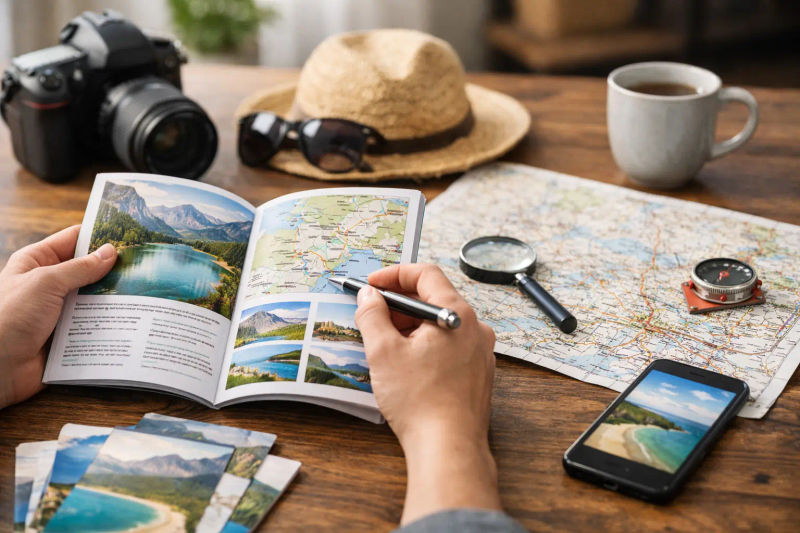
Printed guides have a particular advantage on the road. You can circle ideas, fold a page into a day-trip plan, and hand it to a passenger while someone else drives. Digital guides are ideal for quick research and last-minute adjustments. There is no need to choose one over the other. Use digital tools to compare options and save favorites, then keep a guide handy for the moments when you want to look up from your phone and decide what sounds fun next.
Use Visitor Guides to Build a Trip With Breathing Room
The temptation is to treat every recommendation as an appointment. That is how a relaxing getaway can become a race between parking lots. Instead, use visitor guides to create a few anchors for each day, then leave room for the unexpected.
Start with one can’t-miss experience. It might be a museum exhibition in New York, a distillery tour in Kentucky, a beach day in Florida, or a scenic overlook in West Virginia. Add a nearby meal, a second activity that fits the same area, and an open window for wandering. That open time is where small discoveries happen: a bookstore, an ice cream stand, a trailhead, or a local shop with exactly the souvenir you were hoping to find.
Travel distance is the detail that separates a good plan from an exhausting one. When reviewing a destination, group activities by neighborhood, county, waterfront, or scenic corridor. A day focused on one area feels fuller because you spend less time moving between stops. If a big attraction is farther away, make it the centerpiece of that day rather than squeezing it between unrelated plans.
It also helps to choose an itinerary style before you choose every activity. A couples getaway may call for a walkable downtown, a memorable dinner, and a scenic place to stay. A multigenerational family trip might need short drives, flexible meal options, and indoor backups in case the weather changes. An outdoor-focused weekend may prioritize trail access, rental gear, and early starts. Visitor information lets you plan around your group instead of trying to force your group into someone else’s perfect trip.
Look Beyond the Headline Attraction
Big-name attractions earn their popularity, and they can absolutely be the reason to visit. But the experiences around them often shape the memories. If you are visiting a zoo, what is nearby for dinner? If you are heading to a state park, is there a town with coffee, supplies, or a local event on the way? If you are booking a show, can you turn it into a full evening with a hotel nearby?
This is where destination guides shine. They connect the main event to the rest of the place. You may find a heritage trail near an amusement park, a winery close to a historic district, or a waterfront restaurant a short drive from a family attraction. Those combinations make a trip feel personal rather than prepackaged.
Find the Right Guide for the Way You Travel
Official regional and local guides are especially helpful because they tend to cover more than a single business or attraction. They can introduce visitors to communities, seasonal happenings, cultural sites, parks, lodging categories, and lesser-known corners of a destination.
A statewide guide can be a strong starting point for a longer road trip, especially across states such as Ohio, Virginia, Georgia, Illinois, Indiana, or New Jersey, where several distinct regions may be worth combining. A city or county guide is usually better for planning a focused weekend. If you know you want a mountain getaway, a lakeside retreat, or a seaside vacation, look for guides built around that region rather than relying only on a broad state overview.
The trade-off is simple: broader guides offer more possibilities, while local guides offer more detail. Travelers planning a weeklong route may want both. Use the broad guide to choose your stops, then use local visitor guides to shape each day.
GuestQuest makes that process easier by bringing destination inspiration, places to stay, attractions, and visitor information into one travel-planning experience. You can start with a region that catches your eye, then keep narrowing your choices as the trip begins to take shape.
Turn Information Into a Getaway You Will Actually Take
A guide is most useful when it moves from reading material to a real decision. As you browse, save a short list of destinations that fit your timing, budget, and travel mood. Then ask practical questions. Is it close enough for a two-night trip? Are there enough activities for the people coming along? Does the destination offer indoor and outdoor options? Can you find lodging that puts you near the experiences you care about most?
Do not wait until every detail is perfect before choosing a place. Availability changes, events fill up, and the best weekends often begin with a simple commitment to go. Once you have a destination, visitor guides can help you fill in the details without draining the fun from the planning.
Your next favorite travel memory may come from a famous landmark, but it could just as easily begin with a guidebook suggestion you almost skipped. Leave space for both, choose a destination that fits your mood, and let the road lead you somewhere worth returning to.