Travel Trends Shaping Your Next Great Getaway
A great trip does not always begin with a cross-country flight. It might start with a Friday afternoon drive to a lake town, a reservation at a historic downtown inn, or a long-awaited weekend built around a concert, food festival, or waterfront sunset. The biggest travel trends are making those moments easier to plan and more meaningful to experience.
For travelers, the shift is exciting: vacations are becoming less about checking off famous sights and more about choosing the kind of time you want to have. Relaxed. Active. Family-focused. Food-filled. Completely unplugged. That means destinations, lodging, and attractions all have a bigger role to play in helping visitors shape a trip that feels like their own.
Travel Trends Put Experiences First
Travelers are still drawn to landmark attractions, beautiful beaches, major cities, and beloved national parks. But increasingly, the memory-making part of a vacation happens in the details surrounding those headline stops. A morning farmers market, a local baseball game, a guided paddle, a bakery known for one signature pastry, or an evening spent listening to live music can become the story people bring home.
This creates fresh opportunities for destinations of every size. A family visiting the Great Smoky Mountains may add a mountain coaster or a heritage museum between scenic drives. A couple heading to the Finger Lakes may plan their route around wineries, lakeside dining, and a charming bed-and-breakfast. In coastal South Carolina or Florida, the beach remains the draw, but visitors also look for wildlife tours, local seafood, walkable districts, and events that give the trip a stronger sense of place.
The trade-off is that experience-heavy trips need a little more research. A popular tour may require advance tickets, and seasonal events can shape availability at nearby hotels and rentals. Building a flexible plan helps. Pick one or two can’t-miss activities, then leave room for the unexpected stop that catches your eye.
Shorter Getaways Have a Bigger Role
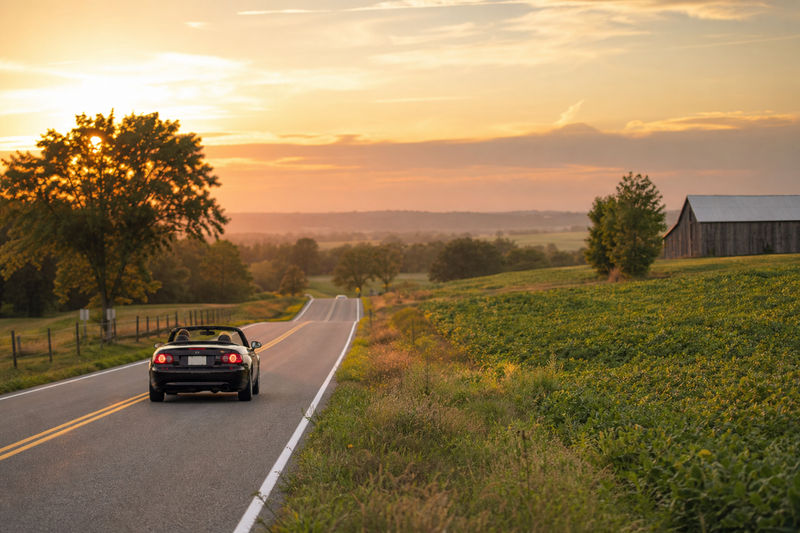
Not every vacation needs a full week on the calendar. Weekend getaways and three- or four-night breaks are a major part of how Americans travel now, especially when a destination is within driving distance. For residents across Ohio, Pennsylvania, Kentucky, Tennessee, Michigan, Indiana, West Virginia, Virginia, North Carolina, South Carolina, Georgia, New Jersey, New York, Illinois, and Florida, there are countless road-trip possibilities close to home.
A shorter trip can feel surprisingly restorative when the itinerary has a clear focus. Maybe it is a cabin weekend near Hocking Hills, an arts-and-food escape in Asheville, a family outing to a Michigan lakeshore, or a city stay built around museums and restaurants in Chicago. The goal is not to pack every hour. It is to make the time away feel distinct from everyday life.
Driving offers freedom, particularly for families traveling with kids, sports gear, strollers, or a favorite family pet. It also makes it easier to explore smaller communities beyond the main destination. Still, road trips come with their own planning needs. Check drive times honestly, factor in parking, and resist the temptation to turn a two-night escape into a 10-stop marathon.
Lodging Is Becoming Part of the Vacation
Where you stay now often shapes what you do. Travelers are choosing accommodations that support the experience they want, whether that means a full-service hotel near downtown attractions, a vacation rental with space for a multi-generational family, a cozy cabin near hiking trails, or a resort where the pool is half the reason for the trip.
Convenience matters, but location is not the only consideration. A hotel in the center of a walkable district can reduce the need to drive and make evenings more spontaneous. A rental outside town may offer privacy, a kitchen, and room to spread out, though guests should be comfortable with longer drives to restaurants, stores, and attractions. Neither choice is universally better. It depends on your group, your budget, and how you like to spend your downtime.
For family trips, look beyond the number of beds. Think about meal options, laundry access, outdoor space, parking, and the distance to the activities your kids care about most. For couples’ getaways, a smaller property with character may be worth more than a larger room with fewer nearby experiences.
Travel Trends Favor Flexible Planning
A well-planned vacation should feel exciting, not over-scheduled. One of the most practical travel trends is the move toward flexible itineraries that combine a few firm reservations with open time. Travelers want the confidence of having a place to stay and key activities secured, while still being able to follow a local recommendation or linger somewhere special.
Start by anchoring your trip around the pieces that are hardest to replace: lodging, a major event, a sought-after restaurant, or timed attraction tickets. Then organize the rest by area rather than by minute. If you are spending a day in a downtown district, choose several nearby possibilities and decide in the moment whether you want to browse shops, visit a museum, or settle in for a long lunch.
This approach is especially useful when traveling with a mixed-age group. Grandparents may prefer a scenic drive and a comfortable café, while teens are ready for zip lines or a lively boardwalk. A loose structure gives everyone a better chance to enjoy the day without turning vacation planning into a negotiation at every turn.
Local Culture Is a Main Attraction
Travelers increasingly want to feel connected to the communities they visit. They are looking for regional flavors, local makers, historic sites, music, outdoor traditions, and neighborhood businesses that tell a destination’s story. This does not mean every trip has to be educational or carefully curated. It simply means the most memorable experiences often feel rooted in the place.
In Kentucky, that may mean tracing bourbon heritage alongside horse country views. In Pennsylvania, it could be exploring a small-town main street after a day outdoors. In New York, visitors may pair a city break with a quieter Hudson Valley or Adirondack escape. In Virginia and West Virginia, scenic byways, mountain towns, and regional cuisine can turn the route itself into a highlight.
A destination’s visitor guide can be particularly helpful here. It often brings together events, attractions, lodging, and local ideas that may not appear in a quick map search. GuestQuest makes it easier to move from inspiration to planning by helping travelers compare destination possibilities in one place.
Outdoor Time Still Matters, With More Ways to Enjoy It
Outdoor travel continues to appeal because it can be as adventurous or as easygoing as you need it to be. Some travelers want challenging trails, whitewater rafting, and bike routes. Others are happiest with a shaded boardwalk, a boat cruise, a picnic area, or a room with a view of the water.
The best outdoor destination is not necessarily the most remote one. Accessibility, weather, mobility needs, and comfort level all matter. A family with young children might choose a state park with short trails and visitor facilities. Friends planning an active weekend may prefer a region with trail networks and outfitters. Travelers seeking rest may want a lakeside lodge where the only agenda is coffee on the porch and a sunset walk.
Planning ahead is smart, especially during peak foliage, summer, holiday weekends, and festival seasons. But leave space for weather changes. An indoor attraction, spa visit, local museum, or food stop can rescue a rainy afternoon without making it feel like a compromise.
Make the Trip Fit Your Real Life
The most useful trend in travel is not a destination, an app, or a style of lodging. It is the growing permission to take the trip that works for you. A memorable getaway can be a big family reunion at the beach, a one-night city escape, a quiet cabin stay, or a road trip through towns you have passed for years.
Choose a place that gives you something to look forward to, request the local information that helps you plan with confidence, and save a little room on the itinerary for a pleasant surprise. Your next vacation does not need to look like anyone else’s to become one you will talk about for years.