Travel Guide for Mountain Retreats That Feel Easy
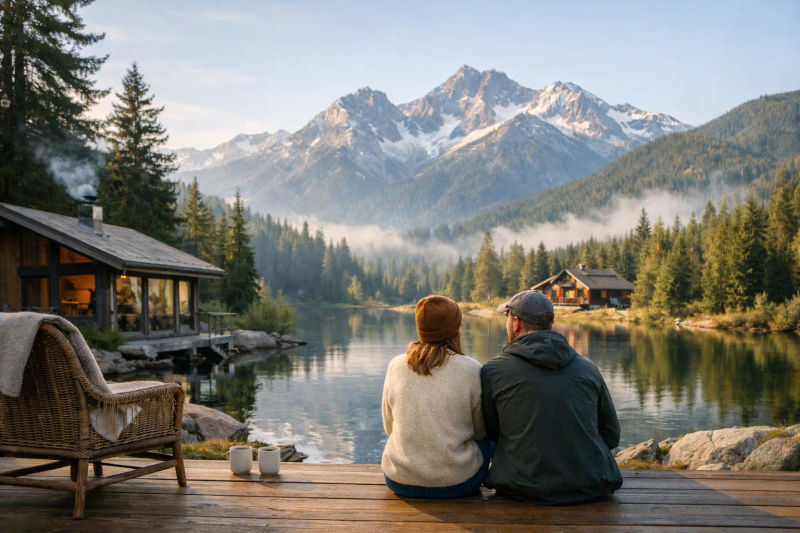
A mountain getaway can be exactly what a busy calendar needs: a porch with a view, a trail that starts close to your door, and a slower morning with nowhere urgent to be. This travel guide for mountain retreats helps you shape that feeling into a trip that works for your travel style, whether you are planning a romantic cabin weekend, a multigenerational family escape, or a friends’ trip built around waterfalls, small-town dining, and fresh air.
The best part is that memorable mountain country is closer than many travelers think. From the Blue Ridge and Great Smoky Mountains to the Poconos, Catskills, Adirondacks, and West Virginia highlands, eastern destinations offer a wide range of stays and experiences without requiring a cross-country flight. GuestQuest makes it easy to discover these destinations.
Start With the Kind of Escape You Want
Not every mountain retreat should look the same. A couple seeking quiet may prioritize a private cabin, a fireplace, and a scenic drive. A family may be happier near an easy trail, a lake, a pool, or a village with casual restaurants and rainy-day attractions. Friends who want a lively long weekend may prefer a mountain town with breweries, live music, rafting outfitters, and late breakfasts within walking distance.
Choose your trip’s main purpose before choosing the destination. If relaxation is the goal, avoid building an itinerary around long drives and difficult hikes. If outdoor adventure is the point, stay near the trail system or river you most want to experience. A beautiful rental can be tempting, but a remote location can turn a short weekend into more time in the car than on the mountain.
For travelers in the GuestQuest service area, there is plenty of variety within an easy road-trip radius. The Great Smoky Mountains offer classic family attractions and dramatic scenery across Tennessee and North Carolina. Virginia’s Blue Ridge is ideal for overlooks, vineyards, hiking, and charming downtowns. Pennsylvania’s Poconos bring lakeside recreation and resort-style stays, while New York’s Catskills and Adirondacks make a strong case for four-season escapes. Ohio’s Hocking Hills and the rugged landscapes of West Virginia are especially appealing when you want a nature-filled weekend without a complicated travel plan.
Pick a Season That Matches Your Plans
Mountain weather changes the entire character of a trip. Summer is popular for good reason: long daylight hours, green trails, swimming holes, festivals, and family-friendly outdoor attractions. It is also the season when popular gateways can feel busiest, especially on holiday weekends. Reserve lodging early if you want a specific cabin, resort, or view.
Fall brings crisp air, harvest events, and foliage that turns a simple drive into an attraction. Timing is the trade-off. Peak color can vary by elevation and weather, so travelers who book solely for a single weekend may miss the brightest leaves. Build flexibility into your expectations, and enjoy the farm markets, local diners, scenic rail rides, and cozy lodging that make autumn special even after the leaves begin to fall.
Winter can be wonderfully quiet, with skiing, snow tubing, holiday lights, and fireside downtime on the menu. Still, snow-covered roads and steep driveways require more preparation. Confirm road access with your lodging host, check whether four-wheel drive is recommended, and keep your plans light on arrival day.
Spring is often the best value for travelers who enjoy waterfalls, wildflowers, and fewer crowds. Rain and muddy trails are part of the deal, particularly in the Appalachians. Pack waterproof layers and choose a stay with enough indoor comfort that a wet afternoon still feels like vacation.
Choose Lodging for More Than the View
A mountain view is worth having, but it should not be the only filter. Think about the practical details that determine whether the stay feels effortless once you arrive. Is the road paved? Is cell service reliable? Does the property have enough parking, especially for a family traveling in more than one car? Are pets welcome, and are there fees or size limits?
Cabins and vacation rentals create privacy and give groups room to cook, gather, and spread out. They are an excellent fit for two or more couples, families with kids, and travelers who want a hot tub, fire pit, or screened porch. The trade-off is that you may need to bring groceries, plan meals, and drive to restaurants or trailheads.
Hotels, inns, and resorts simplify the logistics. They can put you closer to dining, attractions, ski slopes, or downtown events, and amenities such as breakfast, pools, and staffed front desks make travel easier. They may feel less secluded, but for a quick two-night break, convenience can be more valuable than total isolation.
Before you book, read the full property description, not just the highlights. Mountain lodging often has specific rules around fireplaces, grills, water use, trash, wildlife, and late arrivals. Knowing those details ahead of time prevents an avoidable surprise.
Build One Great Day, Not an Overstuffed One
Mountains reward travelers who leave room to linger. Instead of scheduling three major activities each day, pair one anchor experience with a few flexible options. Your anchor might be a guided rafting trip, a scenic hike, a gondola ride, a day on the lake, or an afternoon exploring a local arts district.
Then add the small moments that make a retreat feel personal: coffee from a local bakery, an overlook at sunset, a visit to a craft market, or a picnic beside a creek. These experiences are often easier to remember than a packed checklist.
If hiking is on the plan, match the trail to the least experienced person in your group. An easy walk with a rewarding waterfall or viewpoint is usually a better shared experience than a strenuous route that leaves half the group frustrated. Check trail conditions, elevation gain, parking rules, and daylight hours before leaving. In mountain areas, a route that looks short on a map can take longer than expected.
Families should also have a weather backup. Look for an aquarium, museum, indoor water attraction, visitor center, arcade, or local shopping district within a reasonable drive. That one alternative can save a rainy day without forcing everyone to stay inside the rental.
Pack for Fast-Changing Conditions
Mountain packing is less about bringing more and more about bringing the right layers. Temperatures can drop quickly after sunset, and higher elevations may be significantly cooler than nearby towns. A lightweight rain jacket, comfortable walking shoes, a warm midlayer, sunscreen, refillable water bottles, and a small daypack cover most warm-weather trips.
For a winter stay, add insulated boots, gloves, a hat, extra socks, and a car kit with a scraper, blanket, flashlight, and charging cable. Even when a forecast looks mild, weather can shift quickly near ridgelines and mountain passes.
Do not count on a strong signal everywhere. Download maps, save lodging directions, and take screenshots of reservations before you lose service. It is a small planning step that makes back-road travel much less stressful.
Make Room for the Local Side of the Mountains
The most rewarding retreats extend beyond the cabin gate. Mountain communities are full of regional flavor: barbecue and biscuit stops in the Smokies, Appalachian music venues, farmers markets, cideries, galleries, family-run outfitters, and roadside stores with locally made goods. These places add character to a trip and help travelers feel connected to the destination rather than simply passing through it.
Ask a local question when you arrive. Where do people go for breakfast? Which overlook is best near sunset? Is there a quieter trail that is still scenic? The answer may lead you away from the most crowded stop and toward the story you tell when you get home.
Respect matters, too. Keep noise low at night, follow posted trail guidance, secure food around wildlife, and leave natural areas as you found them. The mountain setting is the reason you came, and thoughtful travel helps preserve it for the next family, couple, or group of friends.
A Travel Guide for Mountain Retreats That Works
A great mountain trip does not depend on finding the most remote cabin or checking off the most famous attraction. It comes from choosing a destination that fits your pace, booking a stay that supports the way you travel, and leaving enough open time for a view, a meal, or an unexpected turn down a scenic road.
Start with the experience you want to have, then let the mountains fill in the rest. Your next getaway may be closer, easier to plan, and more refreshing than you imagined.