Travel Guide for Beach Towns That Fit Your Trip
One beach town serves boardwalk fries and late-night arcade lights. Another gives you quiet dunes, early coffee walks, and a sunset that feels almost private. A good travel guide for beach towns starts there - not with a generic list of destinations, but with the kind of trip you actually want to have.
That matters more than travelers sometimes expect. "Beach vacation" can mean family-friendly fun, a romantic long weekend, budget-conscious simplicity, or a polished resort escape with great dining and easy access to attractions. If you choose the wrong town, the trip can still be nice, but it may never feel quite right. If you choose the right one, everything clicks faster, from where you stay to how you spend your mornings.
How to use a travel guide for beach towns
The smartest way to plan a coastal getaway is to match the town to your pace. Some beach towns are built for movement. You have live music, souvenir shops, public events, watersports, and restaurants that stay busy from lunch through late evening. Others are better for travelers who want room to breathe, with nature trails, uncrowded shorelines, and smaller local businesses that close early and keep things low-key.
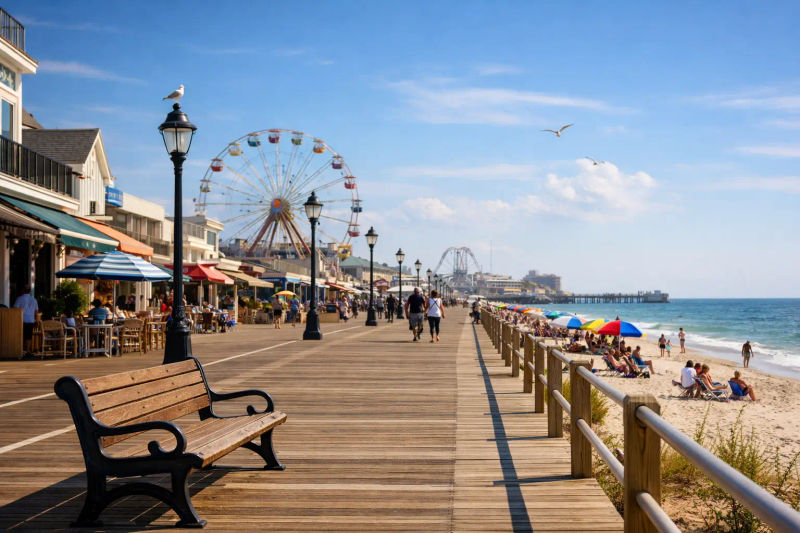
This is especially helpful if you're planning in popular East Coast and Southern coastal regions, where beach towns can sit just miles apart but feel completely different. A classic boardwalk destination like Ocean City, New Jersey creates a totally different vacation rhythm than quieter stretches of the coast near Nags Head, North Carolina. In Florida, family favorites like Clearwater Beach lean into all-day activities, while destinations like Amelia Island offer a slower, more relaxed coastal experience.
Before you compare hotels or rentals, decide what the trip is for. Are you trying to entertain kids for three full days? Do you want walkability so you can park once and forget the car? Are you hoping for a beach town with enough dining and shopping to fill cloudy afternoons? Those answers shape everything.
Pick your beach town by travel style
For families who want easy entertainment
Families usually do best in beach towns destinations such as Myrtle Beach, South Carolina and Virginia Beach, Virginia are popular because they combine beaches with attractions, restaurants, and activities that keep all ages entertained. That often means boardwalks, casual restaurants, mini golf, ice cream shops, aquariums, amusement areas, and public beaches with nearby restrooms and parking. Convenience matters when you're carrying towels, snacks, and the emotional weight of promising everyone a fun day.
The trade-off is crowds. Towns that make family trips easier also tend to be busier, louder, and more expensive during peak season. That doesn't make them worse. It just means the value comes from access and activity, not privacy.
For couples and weekend getaways
If the goal is a romantic reset, look for beach towns with strong dining, attractive downtown blocks, and places to stay that feel a little more elevated. That might be a boutique inn, a waterfront hotel, or a rental close to both the beach and evening restaurants. Coastal destinations like Hilton Head Island, South Carolina and St. Augustine, Florida are favorites for romantic getaways thanks to their walkable districts, waterfront dining, and charming atmosphere.
These destinations can cost more per night, especially when they market themselves as upscale escapes. Still, if you only have two or three nights, paying for location and atmosphere can be worth it.
For quiet, scenic escapes
Some travelers don't want nightlife, packed beaches, or much of an agenda at all. They want a chair, a paperback, and enough quiet to hear the surf without a playlist competing in the background. Places like Duck, North Carolina or Tybee Island, Georgia are often chosen by travelers looking for a slower pace and fewer crowds.
The trade-off here is convenience. Quiet towns may have fewer dining options, limited grocery access, and less to do if the weather turns. If you're traveling with a group that gets restless, peaceful can start to feel too peaceful by day two.
What actually makes a beach town easy to enjoy
A lot of travelers focus almost entirely on the beach itself. Of course that matters, but the best trips usually come down to what surrounds it.
Walkability is a big one. A town where you can stroll from your hotel to breakfast, the beach, and dinner feels easier from the first hour. Parking can be stressful in coastal destinations, so being able to leave the car behind changes the whole mood.
Dining variety matters too. You don't need ten upscale restaurants, but it helps to have choices. A beach town with seafood spots, family-friendly casual dining, quick breakfast places, and at least one good rainy-day option gives your trip more flexibility.
Then there's beach access itself. Public access points, parking availability, restrooms, rental equipment, and whether beaches feel crowded or spread out all affect the day-to-day experience. Two destinations can look equally appealing in photos and feel wildly different once you're there with chairs, coolers, and kids.
Timing can change the entire trip
Peak season brings energy and higher prices
Summer is the obvious draw for beach towns, and for good reason. The weather is warmer, attractions are open at full speed, and the towns feel lively. If you want the full vacation atmosphere, this is usually the right time to go.
But peak season also comes with heavier traffic, limited lodging inventory, and premium rates. In many coastal destinations, the difference between booking early and waiting too long is substantial.
Shoulder season can be the sweet spot
Late spring and early fall are often ideal for travelers who care less about packed event calendars and more about comfort. You may find easier parking, better lodging value, and enough warm weather to still enjoy the coast without the peak-season pressure.
This works especially well in destinations such as Myrtle Beach, Hilton Head Island, Virginia Beach, Tybee Island, and many beach towns throughout Florida, where shoulder seasons can still feel very vacation-ready.
Where to stay in a beach town
Your lodging choice should support the trip you want, not just fit the budget on paper. An oceanfront room sounds great, but if the town is highly walkable, staying one or two blocks back may save money without changing your experience much. In other places, being directly on or near the water is what makes the trip convenient.
Hotels are often best for short stays, simple planning, and easy amenities. Vacation rentals can be better for families, groups, or longer trips where extra space and a kitchen matter. Inns and smaller boutique properties work well for couples who want personality and location over resort-style features.
The real question is whether your lodging helps you enjoy the town with less friction. If you need to drive and park every time you want to hit the beach or grab dinner, a lower nightly rate may not feel like much of a win.
A few smart planning moves before you book
A travel guide for beach towns should always include the practical side, because little details have a way of becoming big ones on vacation. Check whether the beach requires paid parking or access fees. Look at how far your stay is from the public shoreline entrance, not just from the water on a map. Review what nearby dining is open during the season you're visiting.
It also helps to think about your non-beach hours. If you love shopping, local events, or scenic drives, choose a town with enough personality off the sand. If your group is happiest spending all day outside, prioritize beach quality, nature access, and a place to stay with a porch, balcony, or pool.
If you're still deciding which beach town best matches your travel style, visit GuestQuest for free travel guides, destination inspiration, and planning resources to help you choose the perfect coastal getaway.
The best beach town is the one that matches your mood
There isn't one perfect coastal destination for every traveler. The best choice depends on whether you want energy or stillness, convenience or privacy, classic attractions or a slower local feel. That's why the strongest beach plans start with honest expectations instead of postcard thinking.
Find the town that fits your pace, your budget, and the kind of memories you want to make. When the destination matches the trip, the planning gets easier, the days feel lighter, and your next seaside escape starts looking a lot closer.