How to Discover Regional Events for Your Next Trip
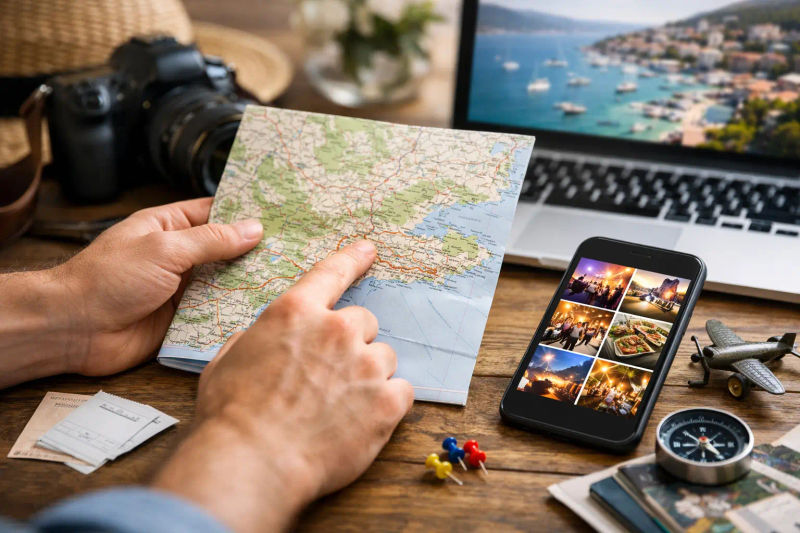
A Saturday farmers market can turn a simple overnight stay into a morning worth remembering. A waterfront concert, fall harvest festival, or small-town holiday parade can give your trip its story. Knowing how to discover regional events helps you plan around the moments that make a destination feel alive - not just the attractions everyone already knows.
For travelers, events are an easy way to find local flavor, meet the community, and add a little excitement to a weekend escape. For families, they can make planning simpler: one great event may provide a full afternoon of food, music, activities, and entertainment in a single place. The key is finding reliable details early enough to build a trip around them.
Start With the Season, Then Choose the Region
Regional events are rarely random. They follow the rhythm of the place. Beach towns come alive with seafood festivals, art walks, and summer concerts. Mountain areas fill their calendars with fall color celebrations, craft fairs, and winter light displays. College towns have game days, homecoming weekends, and lively spring traditions. Wine country, farm country, lake country, and historic downtowns all have their own seasons to shine.
Before choosing exact dates, think about the kind of experience you want. A spring getaway in Kentucky or Virginia might center on garden tours, horse events, or food festivals. Summer in Michigan, New York, or Ohio can mean waterfront music, county fairs, and outdoor markets. Fall brings harvest weekends across Pennsylvania, Tennessee, North Carolina, and West Virginia, while winter creates opportunities for holiday markets, light trails, and indoor arts events from Illinois to Florida.
This approach works especially well when your destination is still undecided. Instead of asking, “Where should we go?” ask, “What would we love to do?” A live bluegrass weekend, a coastal seafood festival, or a holiday train ride can point you toward the right region.
How to Discover Regional Events Before You Book
Start with official visitor information for the destination or county you are considering. Regional tourism organizations often maintain event calendars that include dates, locations, parking notes, ticket requirements, and nearby attractions. These calendars are especially helpful for annual festivals that may not appear in broad travel searches until close to the event date.
Use a few specific searches rather than a general phrase such as “things to do.” Try the destination name plus “events this weekend,” “annual festivals,” “live music,” “family events,” or the month you plan to visit. If you are looking at a larger region, search nearby towns as well. A major city may have a packed calendar, but a smaller community 20 minutes away could be hosting the festival that makes your trip feel special.
GuestQuest can also help travelers move from destination inspiration to practical planning by bringing regional attractions, lodging ideas, and visitor information into one travel discovery experience. Once an event catches your eye, look for accommodations and activities nearby so you can turn a single outing into a fuller escape.
Look Beyond the Biggest Festivals
The headline event is not always the best fit. A large music festival may be exciting, but it can also bring higher hotel rates, traffic, sold-out restaurants, and crowds that are difficult for young children or travelers seeking a relaxed weekend. Smaller events often offer more room to explore and a stronger connection to local culture.
Check community calendars for outdoor movie nights, gallery openings, craft markets, heritage days, theater performances, garden walks, and seasonal food events. These gatherings may be free or low-cost, and they often happen in walkable downtowns where you can add coffee shops, boutiques, museums, and local restaurants to the day.
A regional event does not have to last all weekend to be worthwhile. A Friday evening concert may be the perfect reason to arrive early. A Sunday brunch market can give you a memorable final stop before heading home.
Use Social Channels for Timely Details
Event calendars are a strong starting point, but social media is often where last-minute information appears first. Organizers may post weather updates, schedule changes, parking directions, vendor announcements, or sold-out notices on their official pages. Follow the destination, event organizer, local downtown association, and venue if you are planning around a specific gathering.
Pay attention to the date of each post. An annual event may have photos and announcements from last year that look current at first glance. Confirm the year, event hours, and ticket details before making travel decisions.
Social channels are also useful for getting a feel for the event. Photos can reveal whether a festival is stroller-friendly, packed shoulder-to-shoulder, mostly outdoors, or spread across several blocks. Short videos may show the type of music, food, and atmosphere you can expect. That context matters when planning a trip for different ages and travel styles.
Pair the Event With the Right Place to Stay
An event can shape your lodging decision as much as your destination does. If the event begins early or ends late, staying close can make the entire trip more relaxing. Look at the venue on a map, then consider nearby hotels, vacation rentals, inns, or campgrounds based on the type of getaway you want.
For a downtown festival, a walkable hotel may be worth paying a little more for. You can skip parking concerns, return to your room for a midday break, and enjoy the evening without watching the clock. For a fairground, vineyard, or rural farm event, a scenic rental or comfortable hotel in a neighboring town may offer better availability and a quieter night.
It depends on your priorities. Travelers focused on a bucket-list festival may want to be in the center of the action. Those who prefer a calmer pace can stay just outside the busiest area and use the event as one highlight among several.
Check the Practical Details That Change a Good Day
Before you commit, read the event information carefully. Confirm whether admission is free, ticketed, timed, or cash-only. Find out if pets are permitted, whether chairs or coolers are allowed, and if there are age restrictions for evening programming. If you are traveling with children, look for kid zones, restrooms, shade, and easy food options.
Parking deserves special attention. Some regional events have free lots with shuttle service, while others rely on street parking or require advance passes. Arriving early may be the difference between an easy start and an hour spent circling unfamiliar streets.
Weather plans matter, too. Outdoor events can be magical on a crisp fall day or a sunny summer evening, but rain, heat, and storms can change schedules quickly. Pack layers, comfortable shoes, sunscreen, and a light rain jacket when appropriate. Keep a nearby museum, indoor attraction, or restaurant in mind as a backup plan.
Build a Weekend, Not Just an Itinerary
The best regional-event trips leave room for surprises. Rather than scheduling every hour, choose one anchor event and build around it. If you are attending a Saturday arts festival, use Friday for checking into your lodging and exploring the local dining scene. Save Sunday for a scenic drive, family attraction, historic site, or a leisurely breakfast before the trip home.
Look for experiences that echo the event’s theme. A food festival pairs naturally with local restaurants, farm markets, breweries, or cooking experiences. A heritage celebration can lead to museums, historic districts, and guided tours. A lakeside concert may inspire a paddle, beach walk, or sunset cruise. The event gets you there; the surrounding region gives the trip depth.
This is also a smart way to stretch your travel budget. An event with free admission can become the centerpiece of a getaway while leaving room for a memorable meal, a comfortable overnight stay, or one paid attraction your group really wants to try.
Make Room for the Unexpected
The most memorable trips often begin with a date on a calendar and end with a discovery you did not plan for: a bakery with a line out the door, a local band playing after dinner, a shopkeeper’s recommendation, or a scenic road you would have missed otherwise. Choose an event that excites you, give yourself enough time to enjoy the region around it, and let the destination add its own surprise to the story.