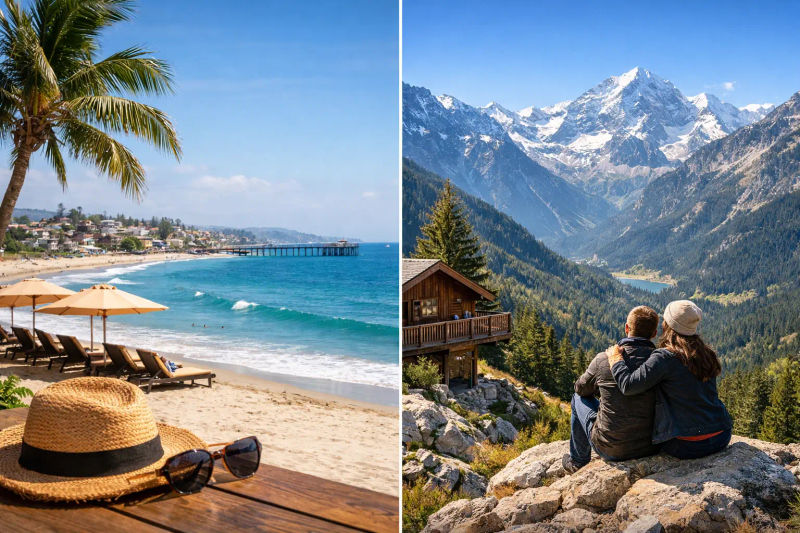
How to Choose Destinations by Travel Interests

Some trips look perfect on paper and still fall flat once you get there. A beach town can feel dull if you wanted live music and walkable nightlife. A mountain escape can feel wasted if your group really wanted food, shopping, and easy sightseeing. The fastest way to avoid that mismatch is to choose destinations by travel interests instead of starting with a random map search.
That shift changes everything. Rather than asking, Where should we go, you start with, What do we want this trip to feel like? Once you know that, the right destination gets easier to spot, whether you are planning a family vacation in Michigan, a couples getaway in South Carolina, a scenic road trip through Virginia, or a long weekend built around festivals in Tennessee.
Why choose destinations by travel interests first
When travelers get stuck, it is usually not because there are too few options. It is because there are too many, and most of them sound good in a vague way. Travel interests narrow the field fast.
If you love outdoor adventure, you will evaluate a destination differently than someone chasing museums, spa days, or coastal dining. If your kids need hands-on attractions and short drive times, a destination packed with nightlife but light on family activities is probably the wrong fit. Interest-led planning saves time, but more importantly, it helps you build a trip you will actually enjoy once you arrive.
It also helps with the emotional side of planning. Travel gets easier when the destination matches your expectations for pace, mood, and experience. A lakefront town, for example, might be ideal for travelers who want boating, quiet mornings, and sunset dinners, but less appealing for someone who wants high-energy entertainment from breakfast to late night.
Start with the trip mood, not just the attraction list
Before you compare destinations, define the feel of the trip. This is where many planners skip ahead too quickly. They look for famous attractions without asking what kind of days they want to have.
Do you want your trip to feel relaxed, active, social, scenic, romantic, kid-friendly, or celebratory? Those words matter because they guide what kind of destination will work. A romantic trip might point you toward a wine region, a historic small town, or a waterfront escape. An active trip may lean toward hiking, paddling, skiing, biking, or national park access. A social getaway may need breweries, downtown energy, festivals, and entertainment within walking distance.
The same state can satisfy all of those interests, but usually in different places. Florida can mean quiet Gulf Coast downtime, family amusement-driven fun, or arts and dining in a more urban setting. New York can mean mountain scenery, lakeside retreats, or city-centered culture. The state is not the answer on its own. The experience is.
How to choose destinations by travel interests that match real travel habits
This is where practical planning comes in. Your interests matter, but so do your habits. A destination may look exciting and still be wrong for your group if it does not fit how you actually travel.
Think about how much driving you are willing to do each day. Consider whether you like to stay busy or leave room for slow mornings and spontaneous stops. Ask yourself if your ideal day includes reservations and structured activities, or if you prefer wandering downtowns, scenic byways, and easy local finds.
For example, travelers who love food and culture often do best in places with concentrated downtown districts, local events, and a mix of dining and entertainment nearby. Travelers focused on nature may be happier in destinations where the headline attraction is outside the hotel room - trails, overlooks, waterfalls, beaches, ski slopes, or lakes. Families often need a blend of both: easy lodging, broad appeal attractions, and enough variety to keep different ages happy.
Budget belongs here too. Interest-based planning is not only about what you love. It is also about what you can enjoy comfortably. A destination packed with premium experiences may not feel relaxing if every meal and ticket stretches the budget. Sometimes the better choice is a more affordable region where you can stay longer, do more, and feel less pressure.
Match your interests to destination types
Some travelers respond best to categories rather than individual cities. That is a smart way to plan, especially when you are still narrowing things down.
If your interest is outdoor recreation, look first at mountain towns, lakeside communities, beach regions, and state park gateways. West Virginia, North Carolina, and Virginia can be strong matches for scenic drives, hiking, rafting, and cabin stays. If your focus is family fun, destinations in Ohio, Florida, and Tennessee often offer a wider range of attractions, entertainment districts, and lodging styles that keep planning simple.
If your travel interest is history and culture, prioritize regions with preserved downtowns, museums, heritage attractions, and architecture worth walking around. Pennsylvania, Virginia, Kentucky, and parts of Illinois can work especially well here. If food, events, and local flavor are your priorities, cities and tourism hubs in South Carolina, Georgia, New York, and Michigan may offer the best blend of dining, festivals, and neighborhood character.
The key is not to force one destination to be everything. A place can be beautiful and still not suit your top priority. It is better to choose a destination that does one or two things exceptionally well than one that does ten things only halfway.
Consider who is traveling with you
Solo travelers, couples, multigenerational families, and friend groups all judge destinations differently. The same place can feel carefree for one group and frustrating for another.
A couple may want charming accommodations, a downtown stroll, and a few standout restaurants. A family may need parking, shorter lines, indoor backups for bad weather, and activities that appeal across age groups. A group of friends may care more about nightlife, events, and shared experiences than quiet scenery.
This is why the best destination is often the one with the fewest compromises for your group dynamic. If one traveler wants museums, another wants shopping, and another wants outdoor time, look for a destination with layered appeal rather than a one-note resort area. On the other hand, if everyone wants the same thing - a beach, a golf trip, a hiking weekend - you can lean into that specialty and skip destinations trying to cover every base.
Research smarter once you have your short list
After you choose destinations by travel interests, build a short list of two to four places and compare them side by side. This part should feel focused, not overwhelming.
Look at lodging first. If the accommodations do not fit your trip style, the destination may not either. Then look at what is realistically nearby, not just what appears in destination marketing photos. Are the attractions clustered or spread out? Are there enough things to do for the length of your stay? Is the area seasonal, and if so, will your preferred activities actually be open?
Events can be a deciding factor. A well-timed festival, holiday market, concert series, or sports weekend can turn a good destination into the right one. But there is a trade-off. Special events can also mean higher rates, heavier traffic, and reduced availability. If you love energy and crowds, that might be worth it. If you want a quieter escape, shoulder season may be the better move.
This is also the point where a travel planning platform like GuestQuest can help connect inspiration with actual next steps. It is easier to say yes to a destination when you can move from ideas to lodging, attractions, and local planning details in one place.
Avoid the most common destination-planning mistake
The biggest mistake is choosing a place because it is popular, not because it fits. Trendy destinations are not automatically better vacations. The best trip is the one that matches what you value right now.
Maybe this year you do not need a packed itinerary. Maybe you want quiet water views, a good meal, and room to breathe. Maybe you want your kids entertained from morning to evening with minimal planning stress. Maybe you want a driveable long weekend that feels different enough to reset your routine without requiring a major budget.
That kind of honesty leads to better choices. It also makes planning feel lighter. Once your interests are clear, you can stop chasing every option and start recognizing the destinations that actually fit.
A great vacation starts before the booking. It starts when you choose a place that sounds like your kind of trip, not just a good trip for someone else.