How to Build a Multi Stop Itinerary That Flows

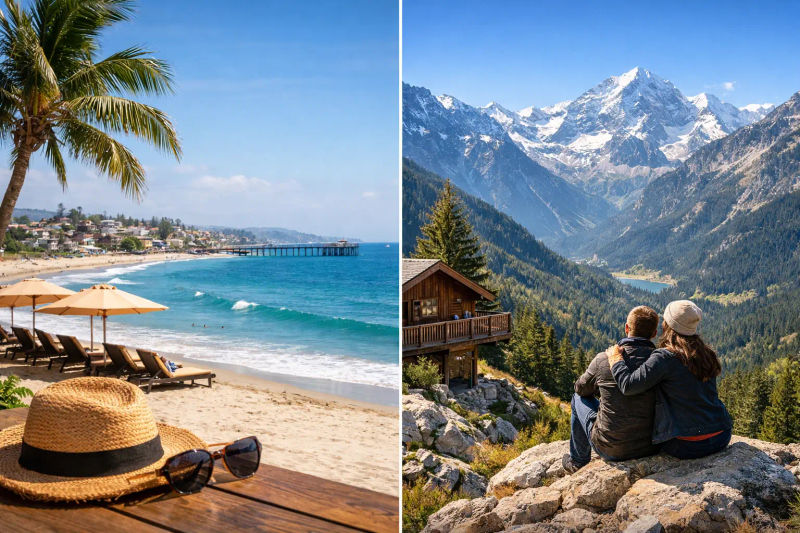
A great trip can change character every few days: a city museum morning in Columbus, a lakeside sunset in Michigan, a mountain town dinner in West Virginia. The trick is making those moments feel connected instead of spending your vacation packing, driving, and checking into another room. A well-planned multi stop itinerary gives you more to look forward to while protecting the relaxed, spontaneous feeling that makes a getaway memorable.
The best routes are not built by collecting the most pins on a map. They are built around a clear travel rhythm: places that make sense together, enough time to enjoy each stop, and room for the unexpected local festival, scenic overlook, or bakery that becomes everyone’s favorite part of the trip.
Start Your Multi Stop Itinerary With One Travel Mood
Before choosing destinations, decide what you want the trip to feel like. A family may want easy attractions, a pool day, and restaurants where everyone finds something they like. Couples may be looking for walkable downtowns, wineries, spa time, and a scenic drive. Friends might want live music, outdoor adventure, and a few late breakfasts without an agenda.
That travel mood is your filter. It keeps a multi-stop trip from turning into a list of unrelated places that happen to be within driving distance. For example, a Blue Ridge route could pair Virginia mountain views with western North Carolina trails and small-town dining. A Great Lakes getaway could connect Cleveland, Erie, and a Michigan beach community. Each route has a natural thread, but the experiences still change along the way.
A useful question is: what should guests remember when they get home? If the answer is “we finally slowed down,” do not schedule sunrise hikes, a two-hour drive, and a museum reservation on the same day. If the answer is “we saw so much,” choose destinations with compact downtowns and attractions close together.
Choose Stops That Work on the Map
A route should move forward whenever possible. Backtracking costs more than fuel. It eats into your energy and makes even a short vacation feel rushed. Begin with your starting point, then look for destinations that create a loop or a simple line toward home.
For a long weekend, two overnight bases are often enough. For a five- to seven-night trip, three stops can work beautifully when travel days stay manageable. Add a fourth stop only if the drive between each place is short or if one location is simply an overnight break rather than a full destination.
Try to keep most driving legs around two to three hours. Four hours can be reasonable when the drive itself is part of the experience, such as a coastal stretch through South Carolina or a fall-color route across Pennsylvania. But long drive days need a lighter plan at the other end. Save the big attraction, show, or guided tour for the next morning.
Think in regions, not state lines
Some of the most satisfying road trips cross state borders without making a big deal of it. Cincinnati and Northern Kentucky share riverfront energy. Chattanooga can pair naturally with North Georgia mountain scenery. The Delaware Water Gap connects outdoor escapes in New Jersey and Pennsylvania.
Planning by region opens up better choices for lodging, attractions, and dining. It also helps you find the experiences that are close together, even when they appear in different state travel guides.
Give Every Stop a Job
Not every destination needs to deliver the same kind of fun. In fact, variety is one of the best reasons to plan a multi-stop escape. Give each overnight stop a role in the trip.
Your first stop might be an easy arrival city with a lively main street and comfortable hotel. The middle stop could be the big experience: a national park, waterfront resort, amusement park, historic district, or concert weekend. Your final stop can be quieter, with a scenic walk, local shopping, and a restaurant worth lingering over before the trip home.
This approach makes choosing accommodations easier, too. Stay near the action when a destination has early reservations, nightlife, or a busy attractions district. Choose a cabin, rental, or quieter inn when the point is to unplug. One trip can absolutely mix a downtown hotel with a lakeside rental, as long as the change adds to the story rather than creating extra logistics.
Build Days Around Anchors, Not Hour-by-Hour Plans
A travel itinerary needs structure, but it does not need to read like a work calendar. Pick one anchor experience per day, then leave the rest flexible. An anchor could be a timed museum entry, a boat tour, a ballgame, a guided cave visit, or a dinner reservation at a restaurant you genuinely do not want to miss.
Everything else can form a loose neighborhood plan. If you are visiting a historic downtown, group the coffee shop, walking tour, shops, and dinner there. If you are spending the afternoon at a beach or state park, find lunch and a backup rainy-day activity nearby. This reduces the small decisions that can drain energy during a trip.
Arrival days deserve special treatment. Plan only one easy win: check in, take a walk, and enjoy a good meal. Travelers often overestimate what they will want to do after loading the car, navigating a new place, and unpacking. A relaxed first evening creates a much better start than racing to squeeze in three attractions before closing time.
Leave Space for the Places You Did Not Plan
Visitor guides, attraction listings, and local event calendars are excellent for finding the highlights. Yet a packed itinerary can make it hard to enjoy them. Leave at least one open afternoon or evening during a longer trip. That is where you can follow a local recommendation, spend longer at a waterfront, return to a shop, or simply rest before dinner.
This matters even more when traveling with kids, older relatives, or a larger group. Different energy levels show up quickly on the road. A free block lets one person browse an art gallery while another takes a break at the hotel without anyone feeling like they are missing the whole vacation.
Weather is another reason to build in breathing room. A rainy day can shift an outdoor plan toward an aquarium, a local museum, a cooking class, or a leisurely lunch. A perfect sunny morning may convince you to extend a hike. The itinerary should guide the trip, not boss it around.
Make Lodging Changes Worth the Effort
Changing accommodations is the hidden cost of a multi-stop itinerary. It is not just checkout and check-in. It means packing, parking, carrying bags, getting oriented, and sometimes losing access to a pool, kitchen, or workspace for several hours.
For that reason, avoid one-night stays unless the destination is a true must-see or it solves a long drive. Two nights per base usually provides a better balance. You can arrive, settle in, enjoy a full day, and leave without feeling like your suitcase was the main attraction.
When comparing lodging, look beyond the nightly rate. A property with free parking, breakfast, laundry access, or a walkable location can save time and money across the trip. For families and groups, a rental with a kitchen may be especially valuable after several days of restaurant meals. For a romantic getaway, paying a little more for a view or a central location can make the entire stop feel special.
Keep the Practical Details in One Place
A little organization keeps a flexible trip from becoming confusing. Store confirmation numbers, check-in instructions, attraction tickets, addresses, and parking notes in one shared document or trip folder. Download maps for areas where cell service may be limited, especially in mountain and rural destinations.
It also helps to check the calendar before committing to a route. A local festival can be a wonderful reason to visit, but it may also mean higher lodging rates, traffic, and sold-out restaurants. The right choice depends on your priorities. Book the event early if it is the reason for the trip; consider a nearby town if you want the atmosphere without the crowds.
Before you leave, request destination information for each major stop and scan for seasonal exhibits, family activities, dining districts, and lesser-known attractions. GuestQuest makes it easier to move from inspiration to practical planning, whether you are looking for a coastal weekend, a mountain retreat, or a city-and-small-town road trip.
Let the Route Feel Like a Vacation
The most shareable trips are rarely the ones where every minute was optimized. They are the ones with a few standout experiences, a route that made sense, and enough time to notice where you were. Choose fewer stops with more personality, give each destination a reason to be there, and let the open spaces on the schedule do their work. Your next great getaway may be waiting just a few turns beyond the original plan.